

Breaking the Silence: The Emotional Reality of Modern Fatherhood
One to two babies lose their father to suicide every week in the UK.
What is leading some fathers to a point where the unthinkable feels like the only option, and what can workplaces do to address this very real and very urgent issue?
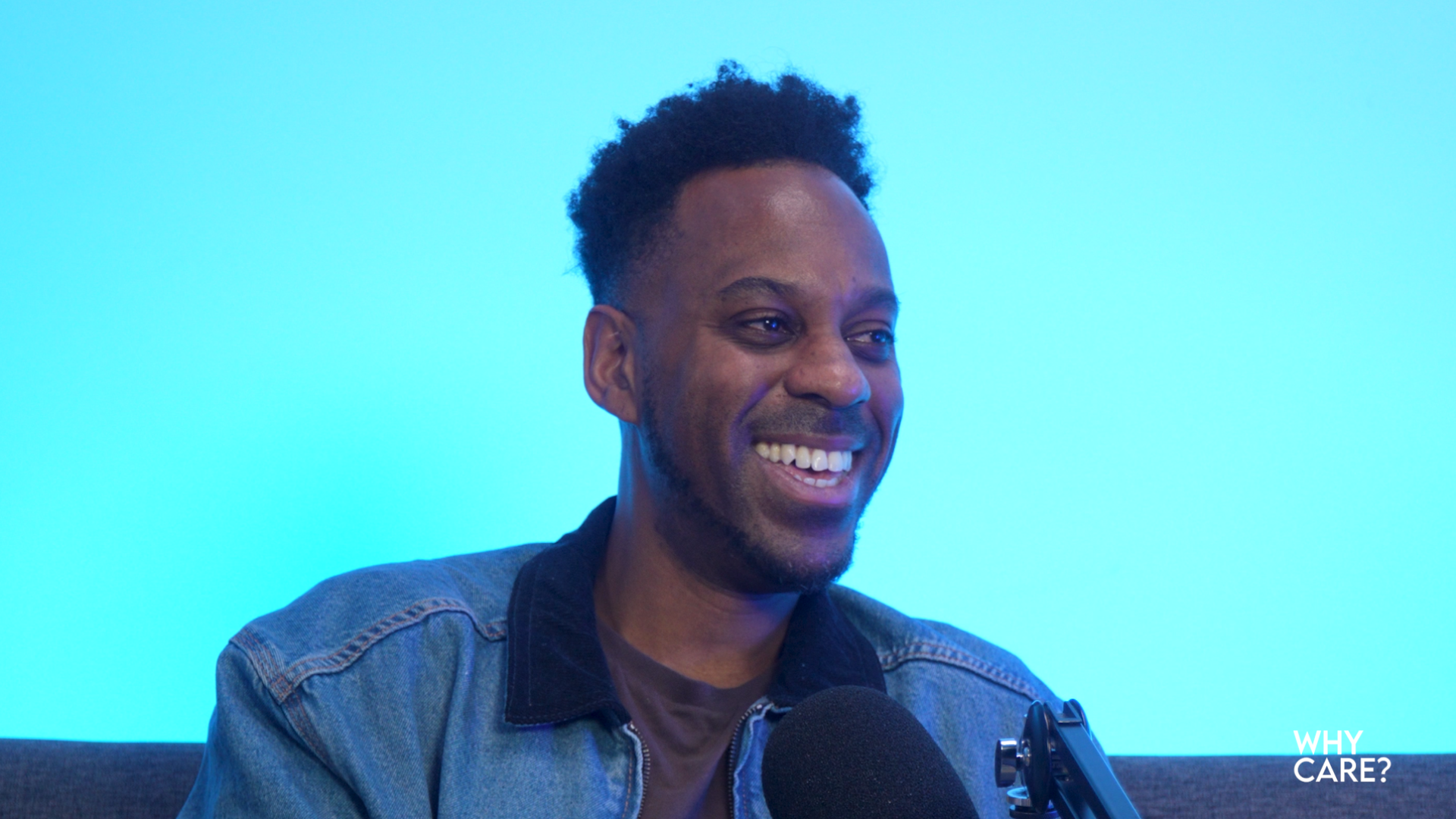
In Episode 59 of Why Care?, I had the privilege of speaking with the inspiring Elliott Rae, founder of Music Football Fatherhood, creator of the Parenting Out Loud movement and one of the UK’s leading voices on fatherhood, modern masculinity and men’s mental health.
In the episode, Elliott reflects on his captivating personal experience with fatherhood, from the trauma of his newborn daughter’s intensive care admission to the panic attacks, insomnia, and overwhelming pressure he carried in silence when he returned to work just two weeks later. Our conversation opened up a broader question for me around men's mental health and the cultural narratives that dictate how men navigate fatherhood. Let’s explore.
Why is men’s mental health still overlooked in 2025?
Awareness around mental health in the workplace is, generally speaking, severely lacking, and even more so for men.
Put simply, society still holds conflicting expectations of men.
On the one hand, they are expected to be the emotional anchor: supportive, steady, calm, and never displaying what might be perceived as emotional fragility, despite at times feeling the contrary. On the other hand, they are expected to be emotionally attuned and able to show emotional depth. These opposing expectations create a kind of emotional alienation that leaves men without the space to express how they are truly feeling.
Fatherhood only magnifies this gap. Within the parenting dynamic, the father’s struggles, whether financial anxiety, the mental load of new responsibility, or an identity shift, are often drowned out. They are important, but they are not treated as necessary for immediate focus. Unless fathers reach breaking point, their concerns are often overlooked or deprioritised.
A British work culture of stoicism, propelled by the fear of appearing less committed to their work and the unspoken rule that nothing at home should affect performance, further prevents men from processing their experience in a helpful way.
How does this impact fathers?
In the episode, Elliott shares an anecdote from a father he met, who explained that his second child, whom he was able to be more present for during Covid lockdown, is far more likely to approach him when upset than his first born. The contrast between the behaviours of the two children is a stark illustration of just how high the emotional price can be when fathers are not given the time or space to be fully present.
As well as this, the conflicting expectations in the ways men show up emotionally means they don't have the language or permission to explore these challenges, often leading men to withdraw internally rather than seek support.
The prioritisation of the mother’s struggles at the expense of the father is also one of the driving factors behind a loss of peer connection. Becoming a father can be profoundly isolating, particularly when men do not have the experiences of others to contextualise their own. More often than not, people do not actively reach out to check in on fathers, because as a society we assume they do not need it as much. A multitude of research has shown that loneliness is among the strongest predictors of suicidal thoughts and suicide attempts, especially for men.
What can workplaces do differently?
The instinct might be to view this as something outside the workplace’s remit.
It isn’t.
Most of us spend longer at work than we do with friends and family, so the role that we as leaders play is instrumental. Leaders who understand the emotional landscape of early fatherhood, and of men more broadly, build teams that are not only more resilient but also more loyal, creative and engaged. Scandinavian countries offer the strongest example of this. Sweden, for instance, became the first country in the world in 1974 to replace gender-specific maternity leave with shared parental leave, a shift that recognises the profound psychological transitions both parents experience. Today, Swedish parents receive 480 days of paid leave, divided evenly, and fathers now take around 30 percent of it, a figure that would be unimaginable in many other countries.
National policies shape one part of the picture, but day-to-day organisational culture shapes the rest. A few approaches make a meaningful difference:
Train managers to recognise distress even when it isn’t expressed. Most men will never walk into a 1:1 and say “I’m struggling,” but they will show it in subtle changes such as withdrawal or dips in focus. Team leaders need to know what to look for.
Offer access to psychological support. Normalising therapy, mentoring or coaching for new fathers, or any man who is struggling reduces stigma and encourages early intervention rather than crisis management.
Model emotional intelligence in leadership. When leaders openly discuss wellbeing, set boundaries and acknowledge their own transitional moments, it gives men (and fathers especially) permission to do the same.
These simple culture shifts reduce isolation, improve psychological safety and support healthier, more resilient teams.
For more actionable insights from Elliott himself, listen to the full episode here.
How can Avenir help?
At Avenir, our Inclusive Leadership Programme equips leaders with the tools they need to foster truly inclusive workplaces.
My book, Beyond Discomfort: Why Inclusive Leadership is So Hard (and What You Can Do About It), is also an invaluable resource for learning how to harness discomfort as a catalyst for positive change and greater returns. You can grab a copy here, including an audiobook version for listening on the go.
You can also listen to more episodes of Why Care? here.