

Manage the Tide of Your Company’s Culture
Company culture is often spoken about in abstract terms. The truth is, it behaves much like water: it takes the shape of the container it is placed in, shifts under pressure, and can easily spill when mishandled. Company culture is the current that ultimately determines how smoothly organisations move forward, and shaping it with intention, rather than allowing it to spill haphazardly is what separates good workplaces from exceptional ones. Let’s explore.
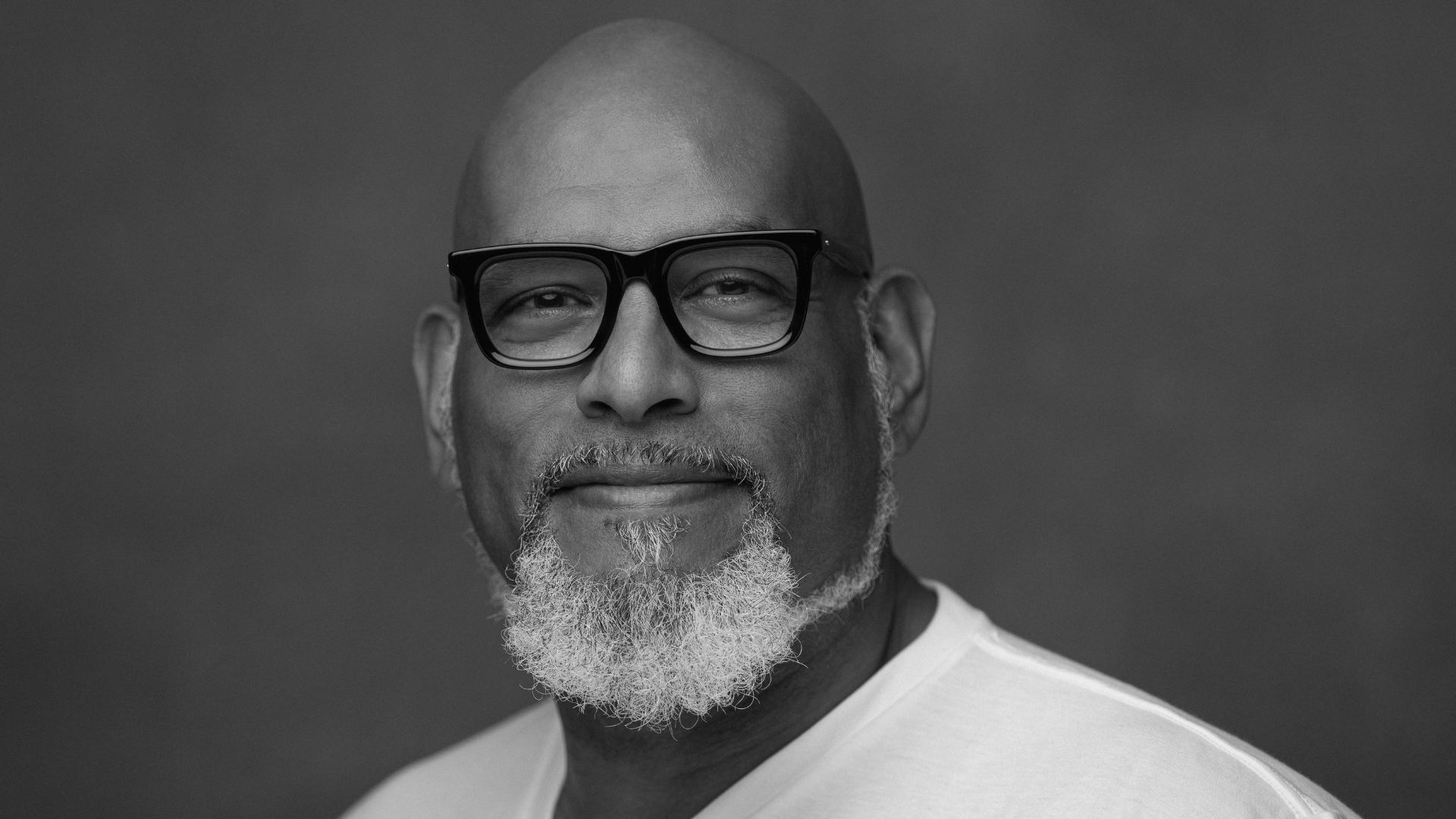
For the Season 6 finale of Why Care?, I spoke with John Amaechi OBE, organisational psychologist and Founder of APS Intelligence, about what truly makes a great leader, and why it has far less to do with charisma than with ordinary, learnable skills that require sustained effort, self-regulation, and ethical clarity. One particularly central thread of the conversation that I would like to dig further into was around how the behaviour and choices of leaders impact company culture.
What is company culture?
Put simply: company culture is the shared system of values, beliefs, behaviours, and unwritten norms that shape how people work together within an organisation. It influences how decisions are made, how employees interact with one another and with leadership, how success is defined, and how the company responds to challenges and change.
What shapes company culture?
Much like the top of a waterfall, company culture is shaped by leadership behaviour. What happens upstream determines what settles downstream. Yet in many organisations, this influence operates unconsciously, guided more by habit and comfort than intention.
Culture is shaped by what leaders choose to address and what they implicitly endorse. By the boundaries they set, the standards they apply, the questions they ask or don’t, and whose voices are prioritised. Over time, these choices accumulate to define the environment people are expected to work within.
What are the consequences of not actively managing culture?
One of the most costly consequences of this is the emergence of uneven value systems within teams. Some individuals are heard, celebrated, or forgiven for behaviours that would be questioned or penalised in others. This unspoken hierarchy erodes trust, undermines psychological safety, and breeds costly tension between peers.
Another consequence is misaligned communication and the inefficiency that follows. While individuals naturally communicate differently, many organisations prioritise formal processes like appraisals and neglect the management of everyday interactions. In the absence of shared values in practice, a comment such as “just use your judgement” or “this should be straightforward” may be experienced as trust and autonomy by some, whilst others may perceive it as withdrawal of support, leaving room for misinterpreted intention and second guessing. Ultimately, it will likely create friction in teams, slows decisions, and reduces performance.
Although there are many more consequences, the final one I will touch on is a lack of agency and confidence in employees. Many people stop making decisions with confidence when they aren’t clear on what is accepted and expected. Instead of trusting their judgment, they may check with managers, over explain, or defer decisions upward. Uncertainty around what is rewarded, tolerated or corrected ultimately chips away at overall efficiency.
How can leaders actively shape company culture?
Consciously shaping culture is less about big gestures and company policies, and more to do with small, repeatable choices that are made every day. A large part of this is ethical leadership, an approach that John explains is where the benefit of all is placed as the driving motivator.
This may look like:
A leader self-regulating and taking responsibility for their emotional state, saying something as simple as, “I’m not at my best today. I need a moment to reset, and I appreciate your patience,” rather than allowing frustration to spill onto others.
Encouraging agency and enhancing team bonds through clarity in communication. One way of doing this is providing a structure for verbal feedback: “X went well, I can see why you chose to do Y; for next time let’s focus on A because B.”
Being clear on when boundaries have been crossed in real time, regardless of seniority. The groundwork for this must also be built through self-accountability, even through discomfort.
Ultimately, culture is shaped by what leaders choose to prioritise. Clarity over comfort. Early intervention over avoidance. Consistency over intent. Over time, these choices define both how people work,and how safe they feel to do so as well.
How can Avenir help?
At Avenir, our Inclusive Leadership Programme equips leaders with the tools they need to foster truly inclusive workplaces.
My book, Beyond Discomfort: Why Inclusive Leadership is So Hard (and What You Can Do About It), is also an invaluable resource for learning how to harness discomfort as a catalyst for positive change and greater returns. You can grab a copy here, including an audiobook version for listening on the go.
You can also listen to more episodes of Why Care? here.