

Why Leaders Can’t Ignore the Current Social Climate
The world that employees navigate outside of the workplace inevitably spills into their lived reality within it. What does the current social climate look like and how can you ensure your organisation is well equipped to handle an ever-changing world?
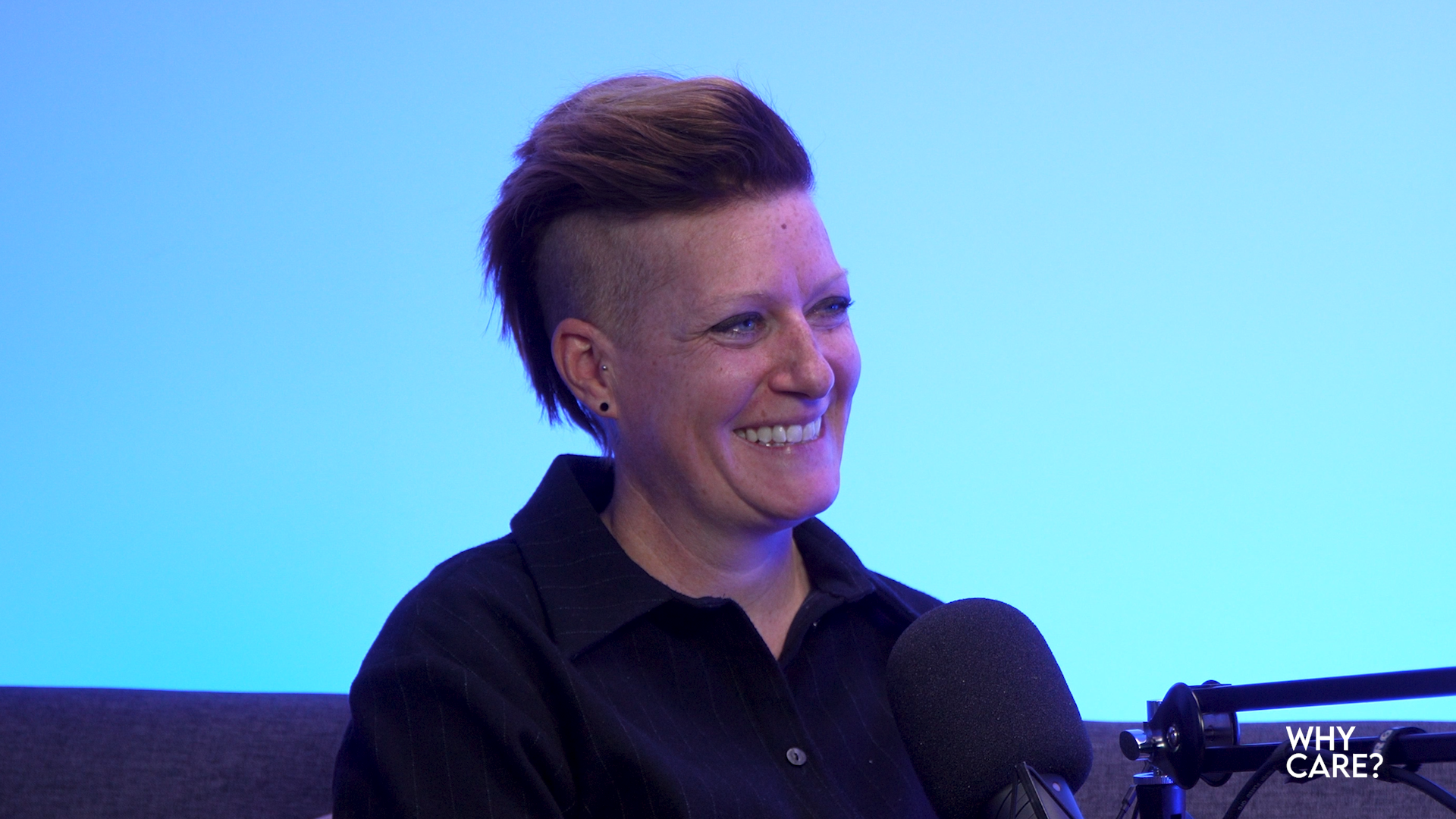
In Episode 58 of Why Care?, I had the pleasure of speaking with Kat Parsons, Group Head of Diversity & Inclusion at Centrica and co-founder of the All Female Design & Build Project. During the conversation, Kat reflects on her career across male-dominated industries, her drive to transform workplace cultures, and her innovative organisation which deploys an all-female design and build team for construction projects.
Our conversation around her experiences with hate speech and harassment opened up a wider question for me: what should organisations be paying attention to? How can it be addressed?
Is hate speech really increasing?
Just months ago, it may have seemed unthinkable that a racially motivated riot would unfold in the UK’s capital at such scale. Yet the Unite the Kingdom riot of September 2025 was a stark reminder that hate often brews quietly until the right catalyst gives it permission to erupt.
What we’re witnessing now is not an isolated incident, but part of a broader backlash against diversity efforts. In the U.S., several states have already passed legislation restricting DEI initiatives that support minority communities (read more here). And here in the UK, the numbers tell a similar story: one Guardian article highlighted a 73% surge in Islamophobic assaults in 2024 alone, with other communities reporting similar spikes in harassment and exclusion.
But this rise in hate crime is not arbitrary. It is the predictable outcome of a series of social, cultural and economic shifts that have shaped our current moment. So why has this happened?
What has caused it?
A pattern we’ve seen repeat innumerable times in modern history is the sharp rise in racial or religious marginalisation during periods of political or economic instability. Antisemitism during the rise of Nazism was intensified in part by the repercussions of the Great Depression. Islamophobia increased after the 2001 9/11 attack. Anti-Asian hostility surged during Covid-19. And moments of economic strain, from the 2008 financial crash to the post-Brexit climate, have repeatedly correlated with rises in racism.
Once again, as people face a cost-of-living crisis, the instinct to search for a scapegoat re-emerges. Slogans like “British jobs for British people” resurface, revealing a familiar pattern, and many political figures capitalise on this fear to create division for personal gain. At its core, it’s a way for people to grasp at control when the world around us feels increasingly uncertain.
One root cause is objectification. It becomes easier to reduce someone to a label: “immigrant”, “Black”, “Muslim,” when we switch off the idea that they feel the same pain, happiness and fear that we we do - that they are human. Binary identities such as men/women, white/people of colour, native/immigrant strip individuals of their complexity and reduce them to a single aspect of their lives. Echo chambers and the rapid spread of misinformation facilitated by social platforms only deepen the divide.
Does this seep into the workplace?
Absolutely. As leaders, we must consider this: how do we protect employees from this climate, both inside the organisation and in the world they step into beyond it?
A few approaches make a meaningful difference:
• Run workshops that educate, offer space for discussion and encourage active allyship, such as upstander intervention.
• Check in regularly with employees, particularly those disproportionately impacted by current events or public tensions.
• Use story-based learning to show the human cost of “othering” and help individuals understand each other more authentically
• Support working parents with resources, like media toolkits, that help their children stay grounded in a world that often tries to define them and put them in a box.
Initiatives such as these send the clear message that organisations see their employees and recognise what they are carrying. Workplaces that consider the world around them and adapt their policies and practices accordingly build greater resilience in an ever-changing world.
How can Avenir help?
At Avenir, our Inclusive Leadership Programme equips leaders with the tools they need to foster truly inclusive workplaces.
My book, Beyond Discomfort: Why Inclusive Leadership is So Hard (and What You Can Do About It), is also an invaluable resource for learning how to harness discomfort as a catalyst for positive change and greater returns. You can grab a copy here, including an audiobook version for listening on the go.
You can also listen to more episodes of Why Care? here.
.