

More Women in Leadership Won't Fix the Problem
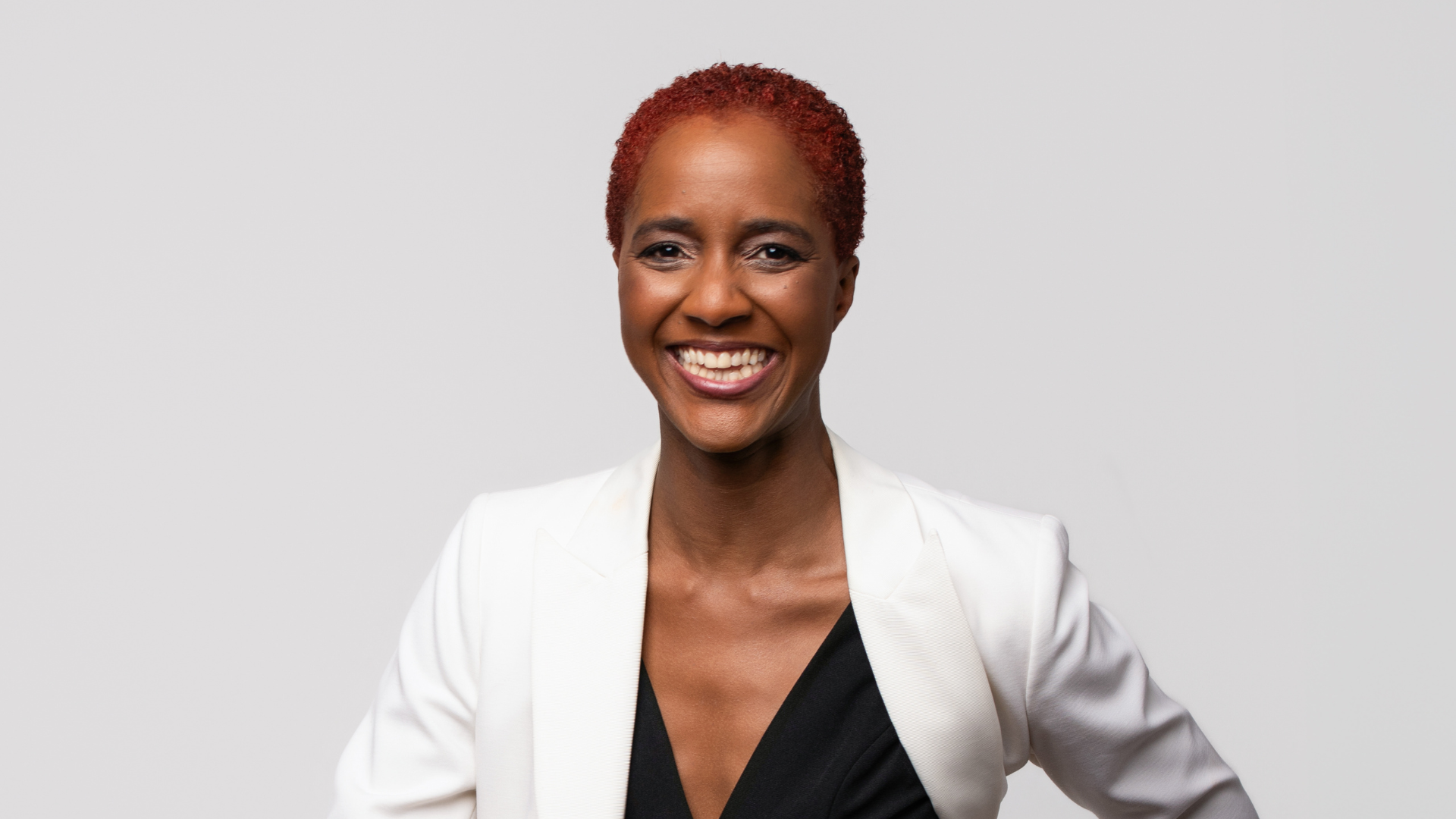
It’s true – I often look at the demographics of the world leaders today, reflect on the utter shambles we find ourselves in and think, “we need more women in power”. My thinking, along with many other is: if we can get more women into senior leadership, things will change. The culture will shift. Power dynamics will rebalance. Representation, over time, will do its work.
It is a compelling narrative. And it is incomplete.
Anti-racism educator and author Nova Reid put it plainly in a recent conversation: "I don't think the world will suddenly have this seismic shift just because there are more women leading….because we have also been indoctrinated with misogyny and patriarchy."
The discomfort of that word ‘indoctrinated’ does not pass me by.
The historical evidence we prefer not to discuss
Nova's argument is grounded in historical record that rarely makes it into mainstream conversations about women and leadership.
She has spent years researching the slave economies of the British Caribbean, societies built and operated predominantly by men. Curious about what women were doing in those systems, she found that white women, themselves denied property rights and access to wealth except through marriage, discovered their route to economic agency in enslaved people. Many of them, once they held that power, enacted it with violence.
This is documented history. And yet, as Nova observes, we rarely hear it because the prevailing narrative tells us that women need to come together in solidarity across difference, and this history complicates that story.
But complicating it is precisely the point. What it reveals is human nature - people who have been oppressed by a system will replicate the logic of that system when power becomes available to them. Oppression is not only something done to people, it’s something people learn to do.
What we are not examining in today's organisations
Bring this forward three centuries and the dynamics, whilst different in type and scale, are not different in principle. Women in leadership today have been formed by organisations built around a particular set of assumptions about what leadership looks and sounds like: decisive, authoritative, unsentimental. Those who have risen have largely done so by demonstrating competence within that frame. The classic example of this is Maggie Thatcher (a.k.a. The Iron Lady!).
This is not a criticism of individual women. It is an observation about systems. When the path to power runs through a particular set of behaviours and values, those who walk that path carry those behaviours with them, often without awareness.
Nova names the specific manifestations: the expectations women in leadership hold of one another, the lack of trust, the undermining.
Anyone who has spent time inside organisations will recognise what she is describing. The woman in a senior role who holds her female direct reports to a higher standard of likability than their male peers. The leader who worked twice as hard to get where she is and has little patience for those she perceives as not doing the same. The executive who spent twenty years fighting to be taken seriously and now, consciously or not, replicates the same dismissiveness toward women who remind her of her earlier, more vulnerable self.
These are not bad people. They are people shaped by a system who have not yet had reason to examine how.
The conversation that doesn't happen
Nova explained that organisational leaders rarely want to face into this deep, historical and cultural issue – the engrained patriarchy.
But Nova is clear: "Unless we are looking at that, understanding how it's affecting our behaviour, the expectations we have of other women in leadership, the lack of trust, the undermining….we've got to look at it all."
The discomfort of that examination is not optional if we want change that is genuinely systemic rather than simply representational. Putting more women at the table without examining what they have been conditioned to believe about power does not dismantle the system. It redecorates it.
What systemic change actually requires
The shift Nova is describing is not about blame. It is about awareness - the kind that comes from honest, often uncomfortable self-inquiry. It requires organisations to create conditions in which women in leadership can examine, without defensiveness, how they exercise power and toward whom.
Don’t get me wrong, I still strongly believe more diverse leadership is vital to get us out of this catastrophic hole we have made for ourselves. But it isn’t sufficient. Examining what we carry into power, i.e. the conditioning, the survival strategies, the internalised hierarchies, is not a distraction from the inclusion agenda. It is the work we have been least willing to do.
Nadia Nagamootoo is the Founder and CEO of Avenir Consulting and host of the Why Care? podcast. This article was inspired by her conversation with Nova Reid in Season 7, Episode 61, available now on Spotify, Apple Podcasts, and YouTube.