

Why Allyship Is a Leadership Competency
Inspired by my conversation with Lee Chambers, Why Care? Season 7, Episode 64
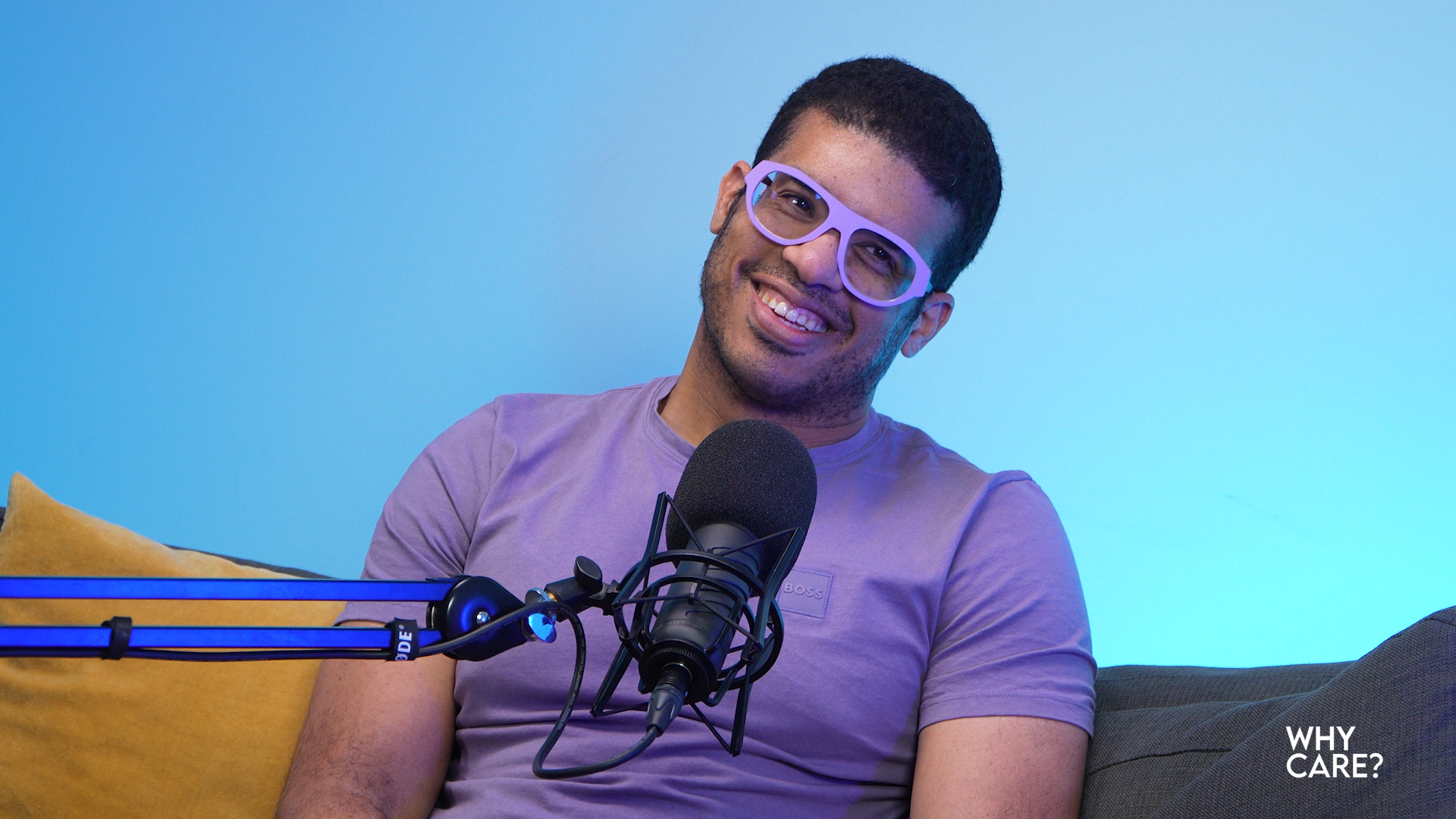
In a recent Why Care? conversation with Lee Chambers, Founder of Male Allies UK and a global expert on gender equity and allyship, Lee explained something that reframed the concept of allyship entirely for me. Most people, he explained, treat allyship as an identity to claim ("I am an ally") or an ideology to subscribe to ("I believe this"), but his organisation rejects both. They treat it as a skillset: the ability to work across difference, move through uncertainty, and hold courage and vulnerability at the same time.
This distinction matters far beyond the inclusion agenda. It's a description of what good leadership requires in any volatile environment and it explains why so many change and culture initiatives stall.
Resistance = Loss Aversion
Lee's research with men points to something behavioural scientists have long understood: humans are wired to fear loss more than they value equivalent gain. When people hear "support this other group," an unconscious calculation runs…. what am I giving up? This is a well-known cognitive bias, and it's the same one that derails restructures, new ways of working, and any change programme framed as one group's gain at another's expense.
The leaders who get traction don't argue people out of the bias, they change the frame. Lee's phrase for it stuck with me: “men who built these skills didn't feel like they were giving away a piece of the pie, they realised they were baking a bigger one”.
In his organisation's research, the men who leaned into allyship reported concrete, transferable gains: they got better at handling difficult conversations they'd previously avoided, more willing to hand the meeting to someone else, quicker to notice when one voice was dominating and when to open the floor. Those are core leadership behaviours (psychological safety, distributed voice, difficult-conversation capability) achieved through a completely different route.
The Self-Compassion Outcome
The most striking finding from Lee's work is realising what this new skillset did to their relationship with themselves. Men who built the habit of curiosity about other people's lived experience reported becoming more forgiving of their own shortcomings, more willing to ask for help, more attentive to their own health and wellbeing. Curiosity aimed outward, it turns out, builds an emotional bridge back inward.
For anyone working in leadership development, this is both fascinating and valuable. We tend to sell empathy and inclusive behaviour as something leaders owe other people - a compliance ask or a values statement. Lee's research suggests the causality also runs the other way, i.e. the skill of understanding someone else's experience is also the skill that makes a leader more self-aware, more resilient, and less likely to burn out from relentless self-reliance. Building the skill of allyship therefore isn’t altruistic, it is leadership development.
Allyship is Multi-Modal
The other idea worth sitting with is Lee's model of allyship as positioning, not a fixed stance, i.e. sometimes it’s about stepping forward to challenge something unfair, sometimes it’s about stepping back to yield space and let someone else take credit, sometimes it’s about stepping to the side to amplify a voice that isn't being heard. Most leadership models train people to default to one mode, typically stepping forward, because that's what visibility and reward structures reinforce. Very few train the judgement of knowing which mode a moment actually calls for.
That's the practical takeaway for anyone leading a team through the kind of volatility Lee described - economic pressure, technological disruption, and a workforce that's more polarised and more fearful than it's been in years. The instinct is to hold your ground. The more useful skill is knowing when to hold it, when to yield it, and when to hand someone else the floor entirely.
Nadia Nagamootoo is a Chartered Occupational Psychologist, executive coach, and author of Beyond Discomfort. She is the host of Why Care? Listen on Spotify, Apple Podcasts, and YouTube.